Equipment lenders turn to healthcare sector for portfolio growth
Medical equipment financing market could soar past $404B by 2035

Equipment finance is often associated with yellow iron and 18-wheelers, but lenders are increasingly turning to the healthcare sector for promising opportunities.
Among equipment finance verticals, medical ranks as the third-strongest sector based on investment activity over the past three months, according to Equipment Leasing and Finance Association’s Investment Momentum Monitor.
The medical equipment financing market is projected to reach $404.9 billion by 2035, more than doubling from $200 billion in 2025, according to Precedence Research.
Equipment lenders are drawn to this sector in part because it presents myriad opportunities to finance quality, large-ticket items at a relatively low risk, Simon Harrsen, executive vice president for North America at global equipment lessor CHG-Meridian, told Equipment Finance News.
“Overall, the healthcare industry is very robust because it’s very existential and you have demographic trends that are driving demand.”
— Simon Harrsen, EVP for North America, CHG-Meridian
A strong global resale market is one of the sector’s appeals, Harrsen said.
“We don’t even have to go through an equipment broker or someone who specifically focuses on the secondary market,” he said. “We can go right to our client base and ask if there is a need for specific equipment.”
Medical equipment values also hold up well in most cases, Harrsen said, noting that “even after five to seven years, there’s still strong value and strong demand in the market.”
Because of that, a lender can structure fair market value and operating lease terms spanning five or six years, compared with two- or three-year terms for sectors such as IT equipment, he said.
Growth drivers
Most deals at CHG-Meridian start at $1 million, Harrsen said, highlighting strong demand for:
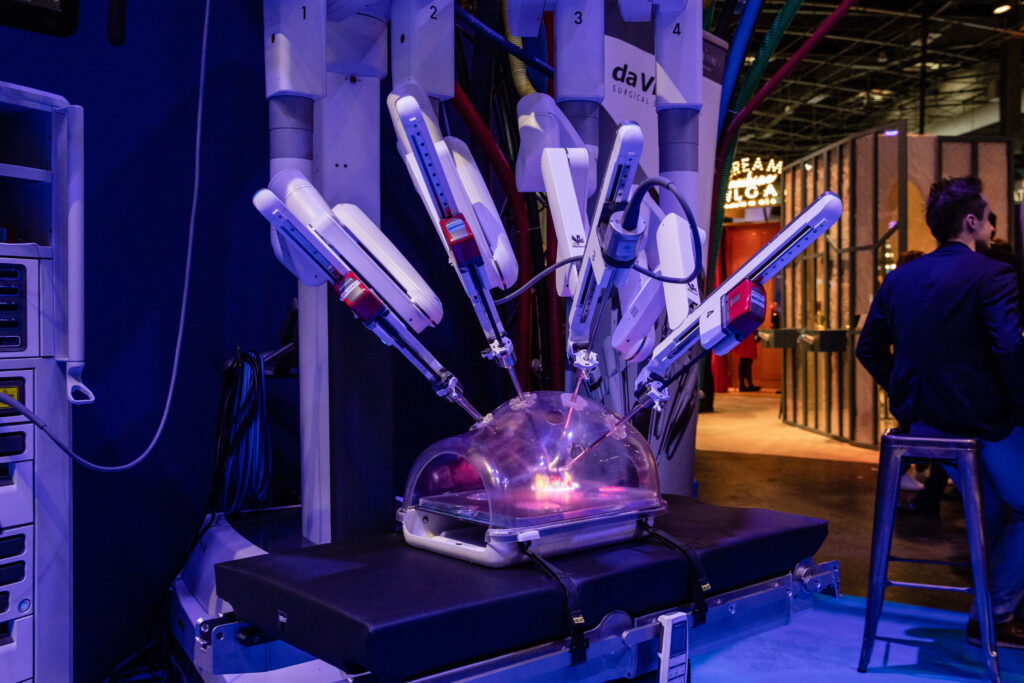
- Surgical robots;
- Automatic dispensing systems;
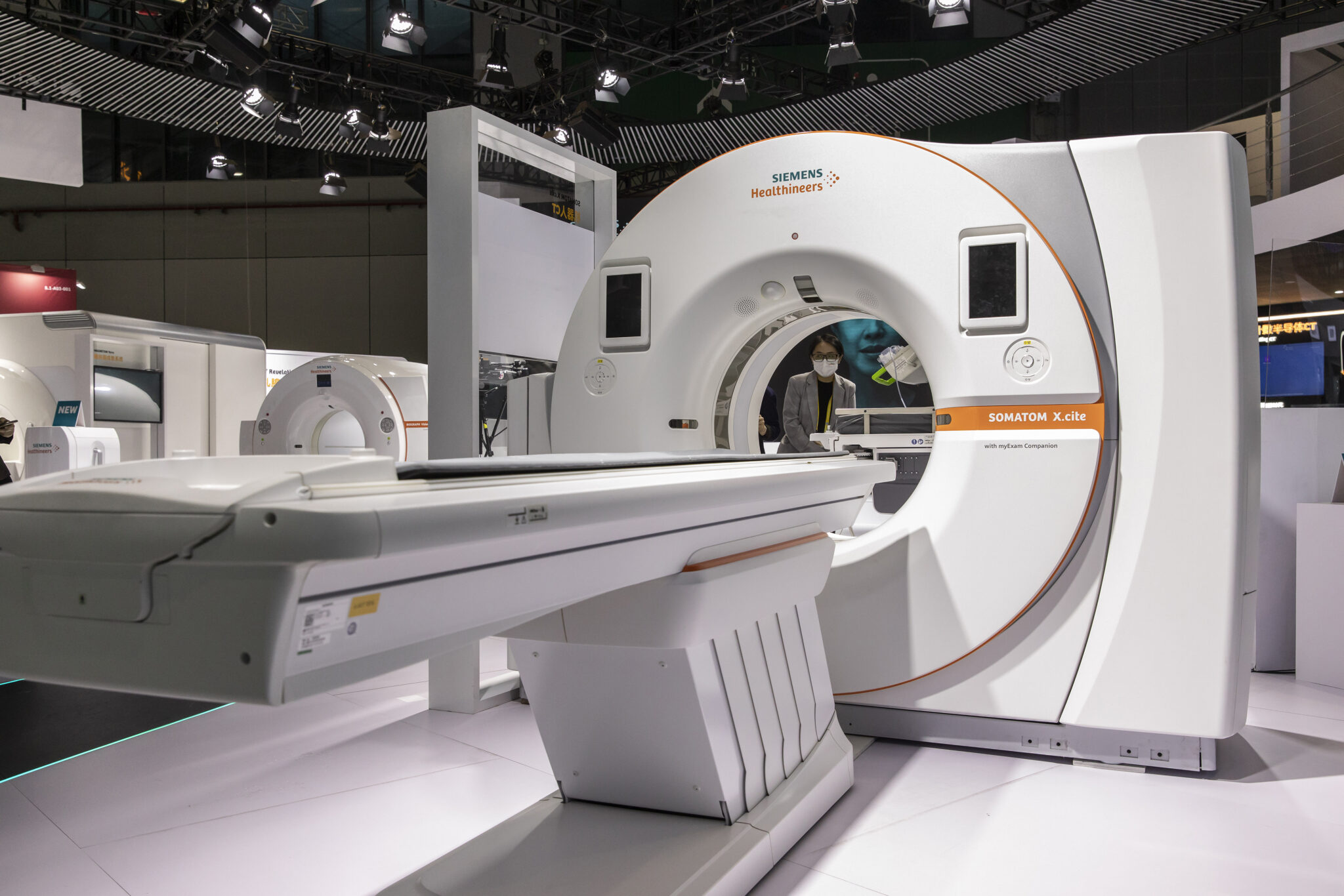
- Imaging equipment; and
- Hospital beds.
Prominent OEMs in the industry include Intuitive Surgical, GE, Siemens Healthineers and Procept BioRobotics, he said.
There are also opportunities to finance small- and medium-ticket items, Eduardo Cruz, president of Addison, Texas-based Commercial Equipment Financing, told EFN.
He said the lender sees high demand for assets such as wheelchair vans, high-tech stretchers and MRI equipment, with most deals ranging between $80,000 and $150,000, although some MRI machines cost significantly more.
Most loan terms for these assets range from three to seven years, he added.
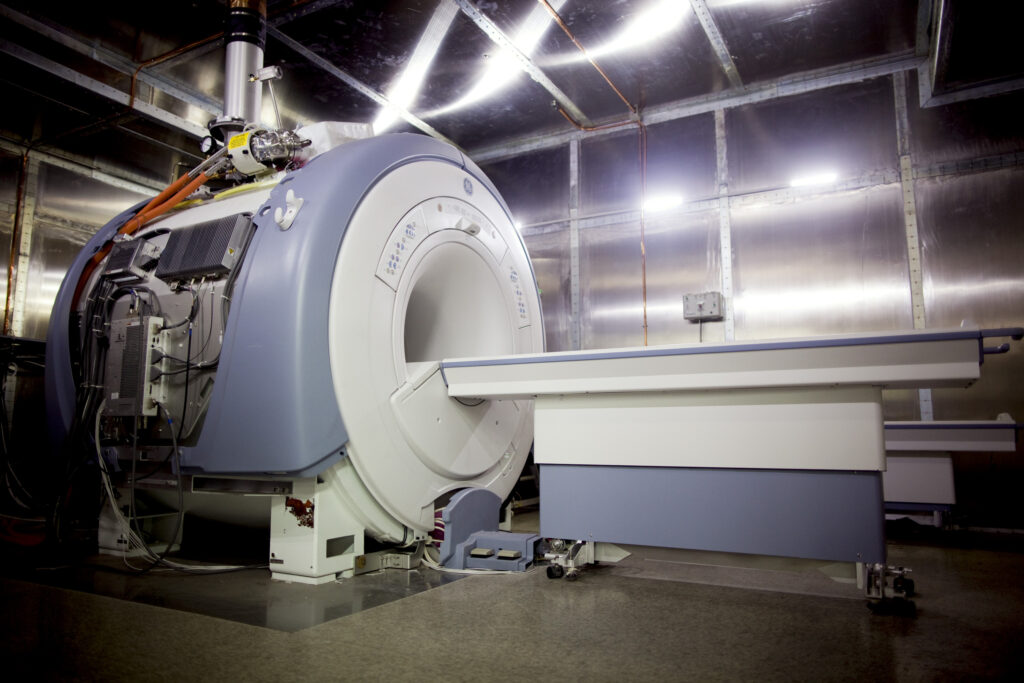
Cruz agreed that the resale market is generally robust, but MRI machines have steeper depreciation curves due to obsolescence and often involve large transportation expenses when repossessing the equipment, he said.
Quality borrowers
Most large hospital groups generate strong cash flow and have government support, boosting lenders’ confidence, CHG’s Harrsen said.
Cruz said that even for smaller, private medical groups, lenders are mostly confident financing equipment because there’s a “higher barrier to entry compared to other industries.”
That means borrowers have numerous medical licenses, certifications and industry ties that help ensure consistent income. Still, the potential for loss and risk management is crucial, he said.
For example, some regional facilities are losing money, Harrsen said.
“When we look at those risks, we look at how existential they are for the region,” he said. “Could the region literally survive without that local hospital? What’s the government support? Historically, has there been local backing to keep the lights on?”
Check out our exclusive industry data here.



Proud Member Of

Check Out Our Industry Event