‘Unprecedented’ memory shortage complicates data center hardware financing
Server costs projected to climb 15% to 20% this year

Although the data center and AI boom is unleashing myriad financing opportunities, it’s also forcing equipment lenders to rethink conventional collateralized structures.
Total data center spending is projected to surge 31.7% year-over-year to $653.4 billion in 2026, according to research and advisory firm Gartner.
But at the same time, the sheer number of new data centers is causing an “unprecedented” memory shortage, leading to a projected 15% to 20% increase in server costs in 2026, according to IT solutions company ReluTech.
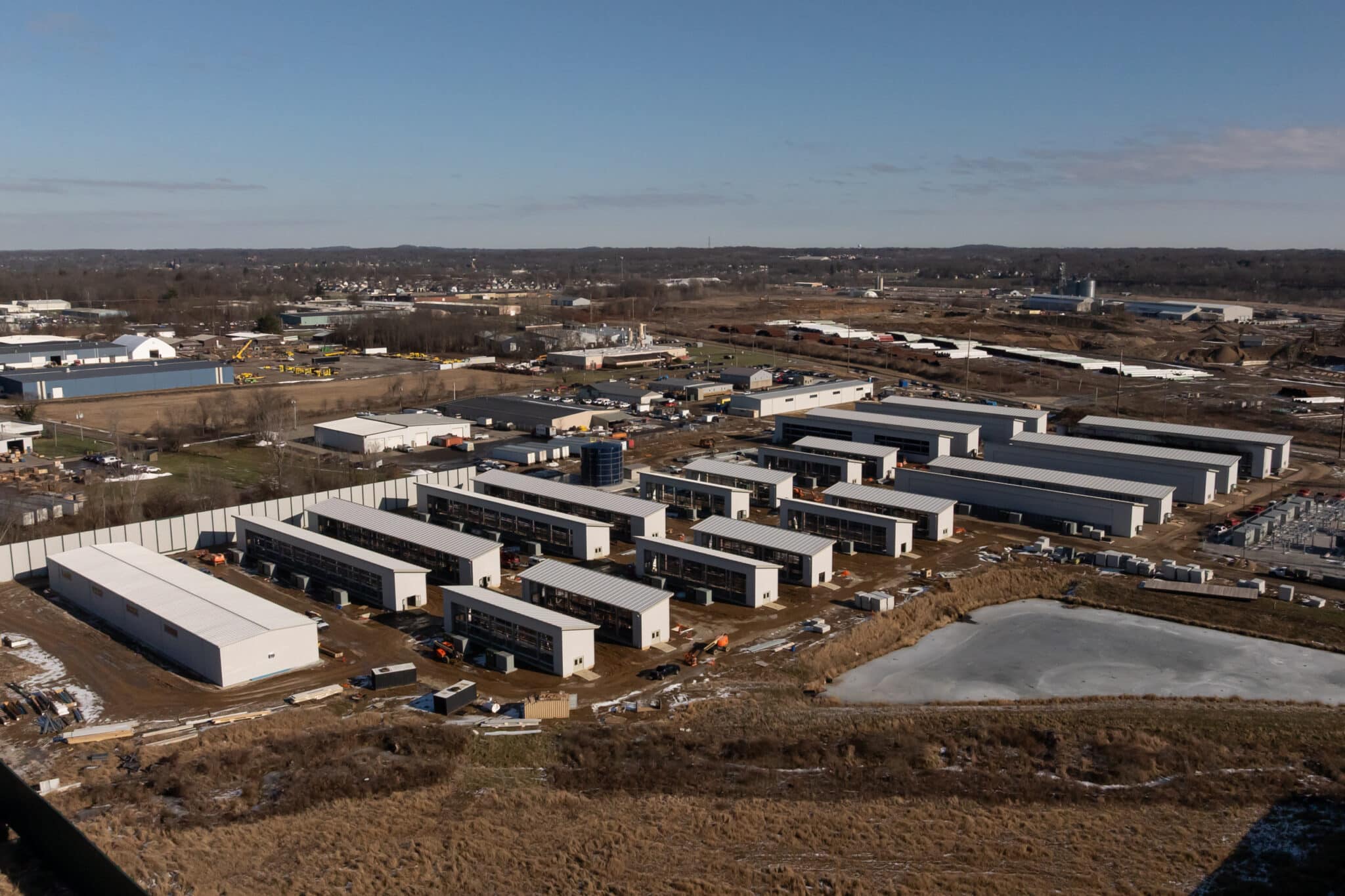
Amid growing opportunities to finance graphics processing units (GPUs), tensor processing units (TPUs) and other memory storage hardware, OEMs have “figured out that they can charge a lot more right now because of the scarcity,” Riley Thompson, vice president and head of direct sales at North American equipment financier Mitsubishi HC Capital America, told Equipment Finance News.
Setting residual values for data center hardware now is significantly more challenging and practically unfeasible, Thompson said.
“They’re just so expensive that the collateral value is diminished,” he said. “And as a result, a lot of the lessors have to now treat it as uncollateralized debt risk.”
As of April, the most powerful GPU servers cost between $200,000 and $500,000, according to technology company IntuitionLabs.
In addition to high upfront costs, OEMs require data center operators to purchase new software licenses for the hardware every few years, and “that’s almost as expensive as the original purchase,” Thompson said.
“There isn’t a secondary market and they’ve done that on purpose. Good luck reselling it.”
— Riley Thompson, VP and head of direct sales, Mitsubishi HC Capital America
As-a-service model
Lenders must adapt to market challenges by treating storage equipment “almost like it’s software,” Thompson said.
This requires a shift to “as-a-service” models with lenders financing software upgrades and the ongoing life of an asset, rather than conventional loan or lease terms, he said, adding that there are tax advantages that these models can offer.
“Now what we can do is treat the hardware and the software as a symbiotic core that is one in the same,” he said. “Of course, [software] is going to be part of our upgrade life cycle.
“But the benefit of doing it this way, from a customer’s perspective, is that all the payments are going to be deductible because it gets treated as an expense and not a debt on their balance sheet.”
Lenders can apply these models across the heavy-equipment industry as machines become increasingly technology-driven, Thompson said.
For example, Wintrust Specialty Finance is financing renewals of equipment software subscriptions, President and Chief Executive David Normandin previously told Equipment Finance News.
“We’re finding ways to finance that overall outcome that includes some equipment services, sometimes consumables along the way, to provide an outcome that a customer is willing to pay for,” Normandin said.
Check out our exclusive industry data here.



Proud Member Of

Check Out Our Industry Event