Competition heats up among construction lenders, dealers
Used vocational vehicle sales rose 10% in Q2

Construction lenders and dealers are working to edge out the competition amid growing demand for equipment and flexible financing solutions.
Used work truck and van sales per dealer jumped 10% from the first to the second quarters, and new vocational vehicle sales rose 8.7% quarter over quarter, according to dealer solutions provider Work Truck Solutions.
Used medium- and heavy-duty construction inventory decreased 13% and 9.2% year over year, respectively in July, according to Sandhills Global.
While mega projects such as data centers and infrastructure may be the primary drivers for construction finance demand, some equipment lenders are benefiting as much, if not more, from localized and specialized projects, Quality Equipment Finance Managing Director Paul Fogle told Equipment Finance News.
“We’re financing a good amount of vocational trucks, and that could be anything from your local plumber to electrician to landscaper,” he said.
Crest Capital President Mark French also told EFN that construction activity is driving the most demand for equipment, “especially localized residential and commercial rather than the megaprojects.”
Competition heats up
From independent lenders to big banks, equipment financiers hope to capitalize on the construction boom, and “the competition is really fierce right now for the best deals,” Fogle said.
“I think there’s some new money coming into the equipment finance world,” he said. “Some lenders that would only focus on A [credit] transactions are kind of dipping down in the B transactions,” he said.
That means increased competition for lenders such as Quality Equipment Finance, which specializes in B- and C-credit transactions, Fogle said.
As more independent contractors seek financing options, lenders must focus more on “revenue concentration” rather than credit score, Crest Capital’s French said, noting that there are “lots of single-customer businesses that get hurt relying on one big customer.”
“We look harder at bank deposit consistency and contract quality than at the score, and for newer or cyclical operators, the answer is more equity, shorter terms and not stretching on credit,” he said.
Dealers now asset managers
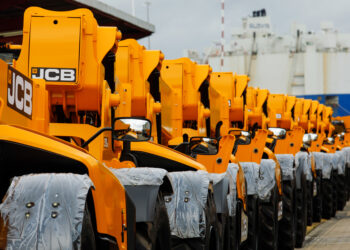
Construction equipment dealers, meanwhile, continue to expand their rental fleets to attract contractors, requiring greater expertise in asset management, Jarrett Harris, director of research at heavy-equipment research firm IronAdvisor Insights, told EFN.
“It used to be very clean conversations — this guy does rentals, this guy does new equipment sales, this guy does used equipment sales. Now, in any given dealership structure, all three of those branches sort of overlap.” — Jarrett Harris, director of research at heavy-equipment research firm IronAdvisor Insights
Thus, dealers are increasingly weighing fleet inventory balance to ensure ample options for sales and rentals, Harris said.
“There’s much more of an ongoing look at the mid- and long-term potential of every asset, more than I’ve seen before,” he said.
Some dealers are adding employees who better understand asset life cycles so they can maximize asset values while “rental usage spikes,” Jim Ryan, equipment lease and finance manager at Sandhills Global, told EFN.
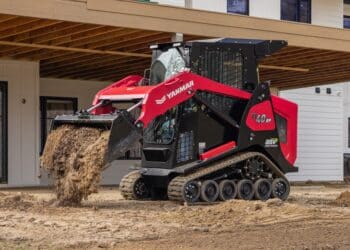
“Instead of having that 2-year-old skid steer sit on their lot for three years and no buyer, or taking it to auction or wholesale, they’re getting extremely competitive rental rates for the next year on that piece to where it’s a lot less risk for them,” he said.
Check out our exclusive industry data here.


Proud Member Of

Check Out Our Industry Event