Construction lenders dig into data center gold mine
Data center investment could total $3T over next 5 years

Construction equipment lenders are fattening their portfolios in the wake of the data center boom, and flexible financing is key to winning contractors over.
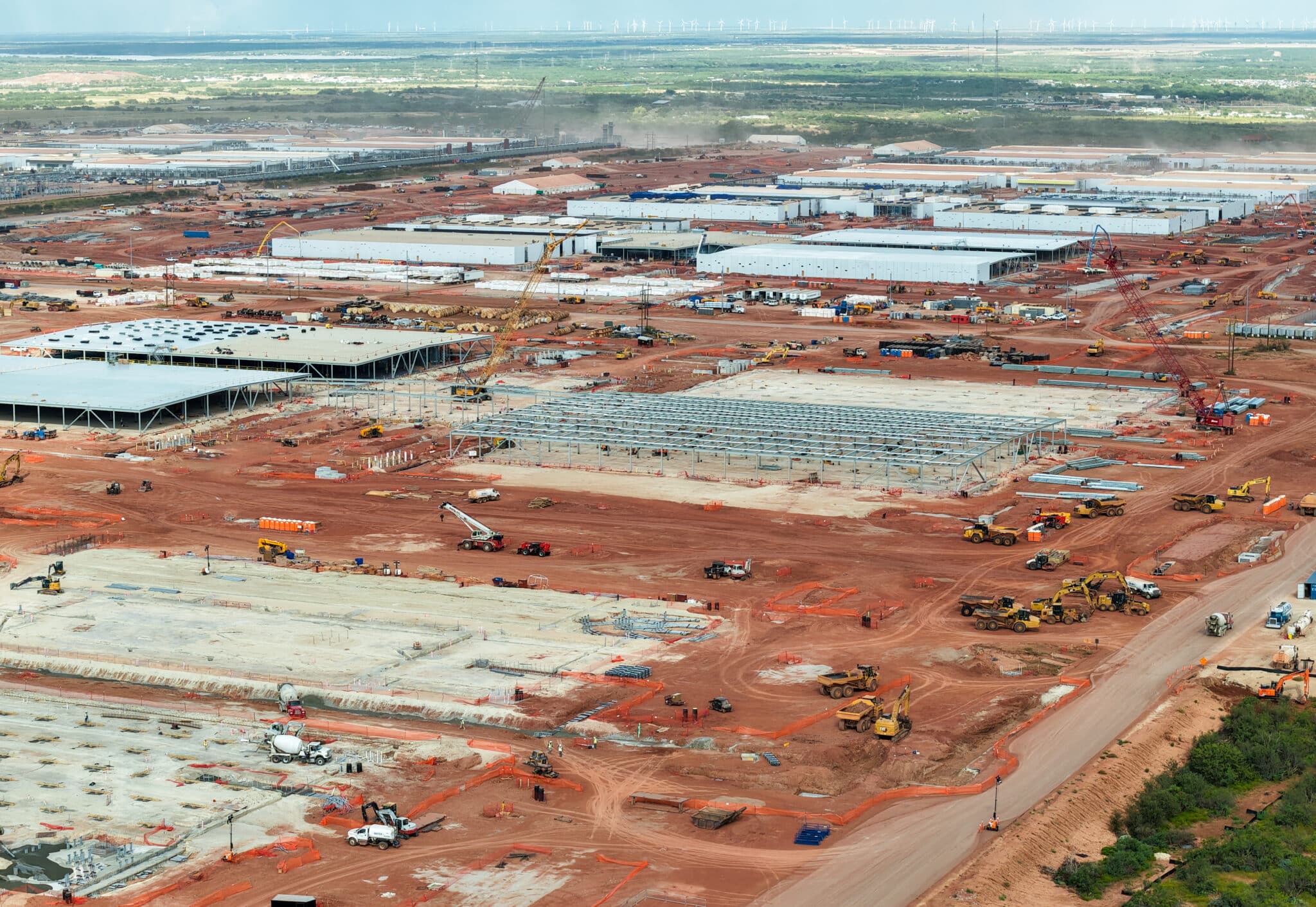
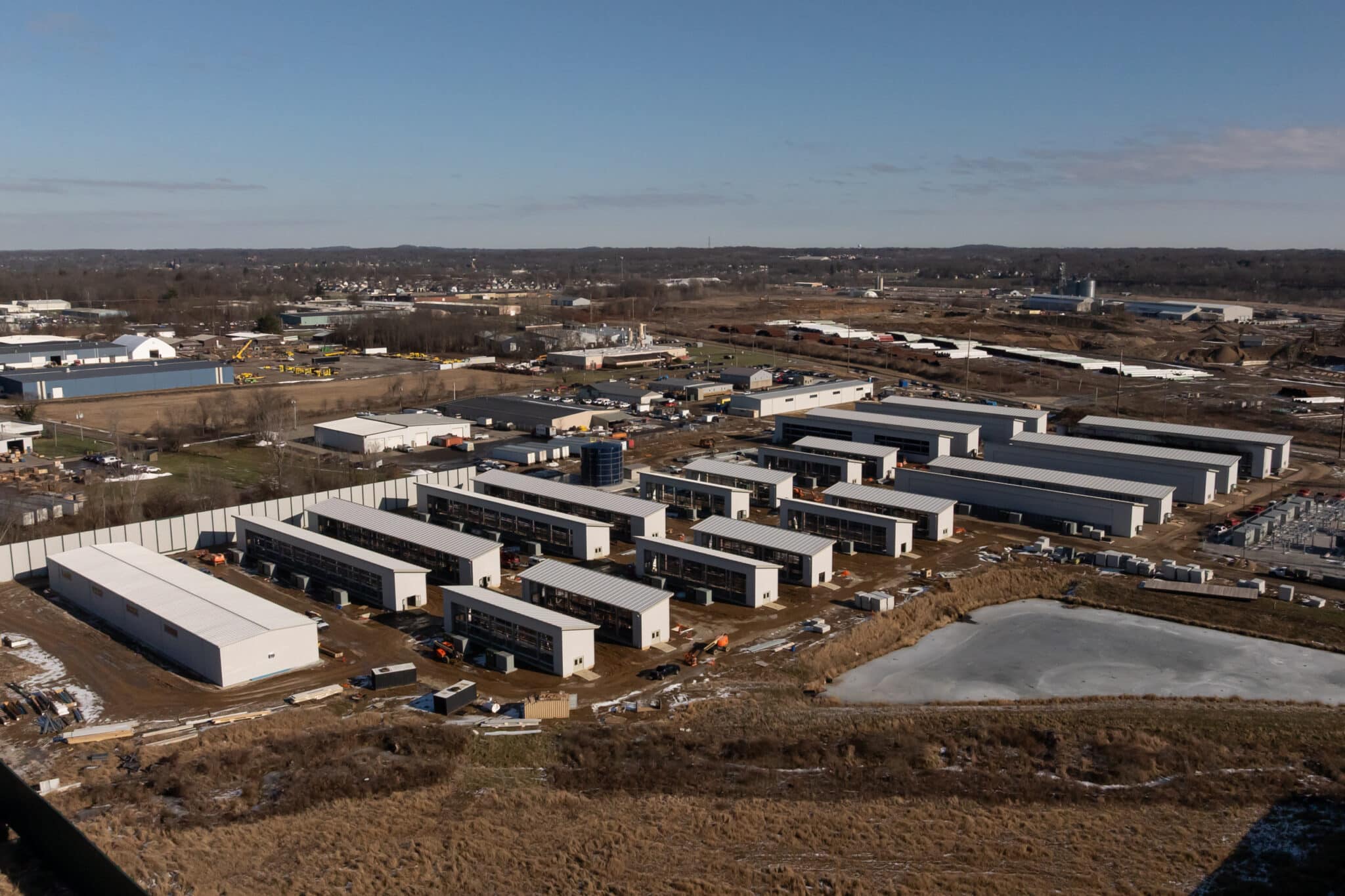
Global data center investment is projected to total $3 trillion from 2026 to 2030, according to a January report by financial services firm Moody’s. Global data center capacity is expected to nearly double over that stretch, according to real estate firm JLL.
Equipment lenders are expanding their scope beyond the data center development sites and realizing the trickle-down effect, John Pfister, chief executive of Irvine, Calif.-based MAZO Capital Solutions, told Equipment Finance News.
“If you’re financing companies building data centers, there are all sorts of second- and third-order effects of these massive projects,” he said. “The roads need to be worked on to get to these data centers. You need to build housing tracks to support the employees that are going to support these data centers.”
Data centers have been a consistent bright spot for lenders that grapple with volatile seasonal swings, John Gougeon, president and CEO of Ann Arbor, Mich.-based UniFi Equipment Finance, told EFN.
“In Michigan, we’ve got two seasons: winter and construction.”
— John Gougeon, CEO, UniFi Equipment Finance
Project financing, flexible terms
Data centers and other large developments are prompting dealers to request “project financing” from their lending partners, Gougeon said, noting that five- to seven-year terms have traditionally been the norm in construction.
“We’re seeing requests for two to three years because that’s how long the project is expected to last,” he said. “So, when you have someone come through the door looking for a 24-month true-lease rate, you can pretty much bank on the idea that it’s a project finance request.”
A true lease, or fair market value lease, allows operators to make fixed monthly payments for a set period, with an option to return, continue leasing or purchase the unit at its market value at the end of the term.
Lenders must be thorough in their underwriting to manage project financing risks, Gougeon said. The climate of a project’s location is an important factor, with extreme weather causing steeper depreciation curves, he said.
“We want to know more about the usage, the condition of the equipment and what we could reasonably expect it to look like at the end of term,” he said.
Contractors are also seeking flexible financing such as seasonal payments and deferred payments to capitalize on opportunities while managing rising input costs such as fuel prices, MAZO Capital’s Pfister said.
“They want that extra 30, 60, 90 days to make money with this equipment,” he said. “Then they’re able to really start servicing the equipment debt and servicing the payment.”
The fourth annual Equipment Finance Connect, a crucial industry event for equipment lenders and dealers, takes place at the C. Baldwin Hotel in Houston May 18-19. Learn more about the event and register here.

Proud Member Of

Check Out Our Industry Event