Deal structure crucial to equipment finance success in 2026
Equipment, software investment to jump 6.2%

Deal structure could be the golden ticket for equipment lenders to thrive in 2026 as they look to build on recent momentum while withstanding macroeconomic challenges.
Equipment and software investment is projected to jump 6.2% year over year in 2026, according to a Dec. 17, 2025, report by the Equipment Leasing and Finance Association. Equipment finance originations rose 5.9% YoY in December to $10.6 billion, and equipment lender confidence hit an 11-month high in January.
The industry is benefiting from pent-up demand after several years of buyer hesitancy driven by tariffs, interest-rate uncertainty and policy changes, Riley Thompson, vice president and head of direct sales at Mitsubishi HC Capital America, told Equipment Finance News.
“Whether it’s COVID or the financial crisis [of 2008], there tends to be a conservative bias, and that builds up and it builds a backlog because they don’t buy equipment, they don’t deploy assets,” he said.
“I think it’s going to be a bombastic year.”
— Riley Thompson, Mitsubishi HC Capital America
With the industry building momentum, macroeconomic conditions are affecting lenders less from a demand standpoint and “more through how you structure and operate,” Mark French, president of Atlanta-based Crest Capital, told EFN. Thus, strategic priorities include:
- Pricing;
- Underwriting;
- Verification; and
- Monitoring.
Effective deal structures allow equipment lenders to capitalize on emerging growth opportunities driven by recent federal interest rate cuts, new tax breaks, reshoring and strong construction activity, French said.
“For cyclical or newer operators, the response is tighter structure — more equity, shorter terms, tighter covenants — not stretching on credit,” he said.
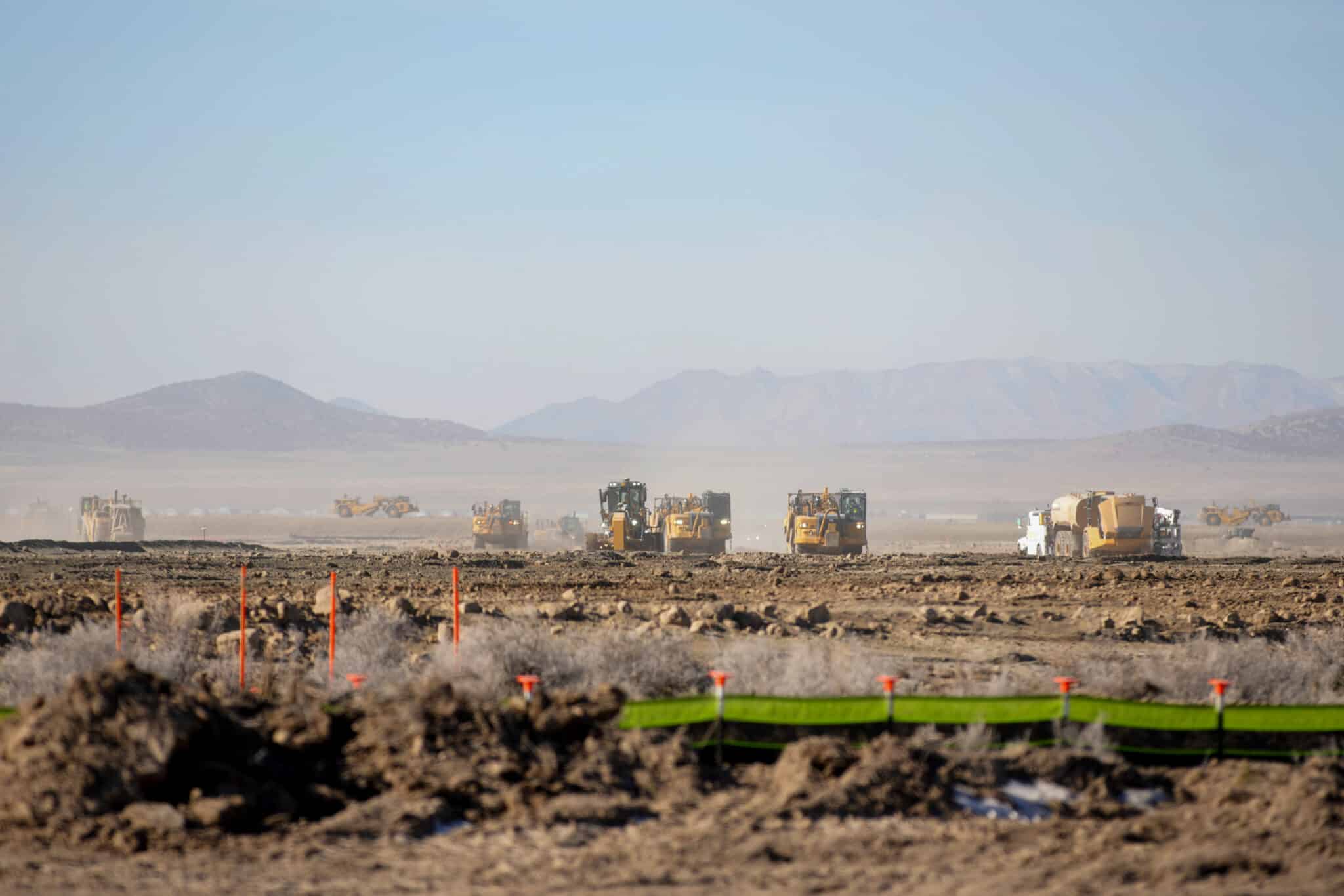
Tariff uncertainty is also spotlighting deal structure because customers “pause on large CapEx when input costs can swing, so we stress margins and cash flow harder,” French said.
Structure for used versus new equipment
Asking prices for used heavy-duty and medium-duty construction equipment declined 2.9% year over year and 0.8% YoY, respectively, in January, according to Sandhills Global.
While used-equipment prices continue to stabilize following the post-pandemic pricing surge, “the trend has been soft and dispersion by asset type is real,” French said.
“That’s pushing lenders to lean harder on structure — advance rates anchored to liquidation value, shorter terms where residual risk is higher and tighter documentation when secondary markets are moving,” he said.
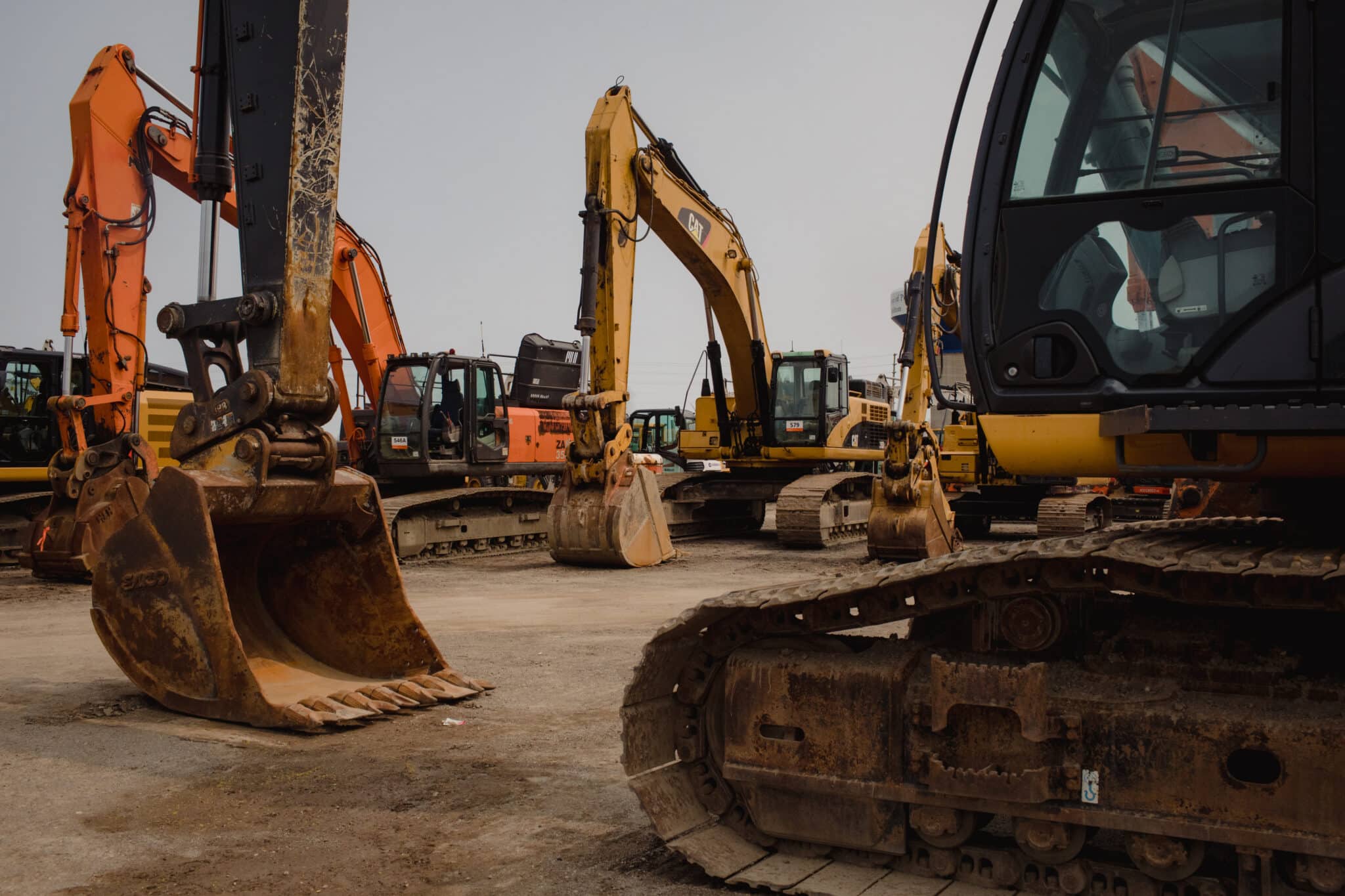
Meanwhile, tighter deal structures also allow lenders to capitalize on financing opportunities for new tech-heavy equipment while managing risk tied to residual value uncertainty, French said.
This means “shorter terms, lower advance rates and utilization/condition triggers are common hedges, especially when software and support drive value,” he said.
At the same time, telematics systems and predictive maintenance data on some new machines allow lenders to measure utilization and condition, “supporting smarter structure and better collateral monitoring post-close,” he said.
Check out our exclusive industry data here.




Proud Member Of

Check Out Our Industry Event