Lenders zero in on new tax breaks to aid equipment sales
Equipment, software investment projected to jump 9.9% in 2025

Equipment lenders are honing strategies to fully capitalize on new tax breaks before the end of 2025, facilitating dealer and OEM equipment sales in the process.
Restored 100% bonus depreciation, increased Section 179 expense limits and other tax breaks under the One Big Beautiful Bill Act have injected a wave of confidence into the equipment finance industry.
Even in challenged equipment sectors such as agriculture, some end-users are beginning to take advantage of the tax breaks, Michael Langemeier, associate director at the Center for Commercial Agriculture at Purdue University, told Equipment Finance News.
Further, equipment finance originations have been increasing since President Donald Trump signed the bill in July, with new business volume rising 5.7% year over year in October to $10.5 billion, according to the Equipment Leasing and Finance Association’s latest CapEx Finance Index.
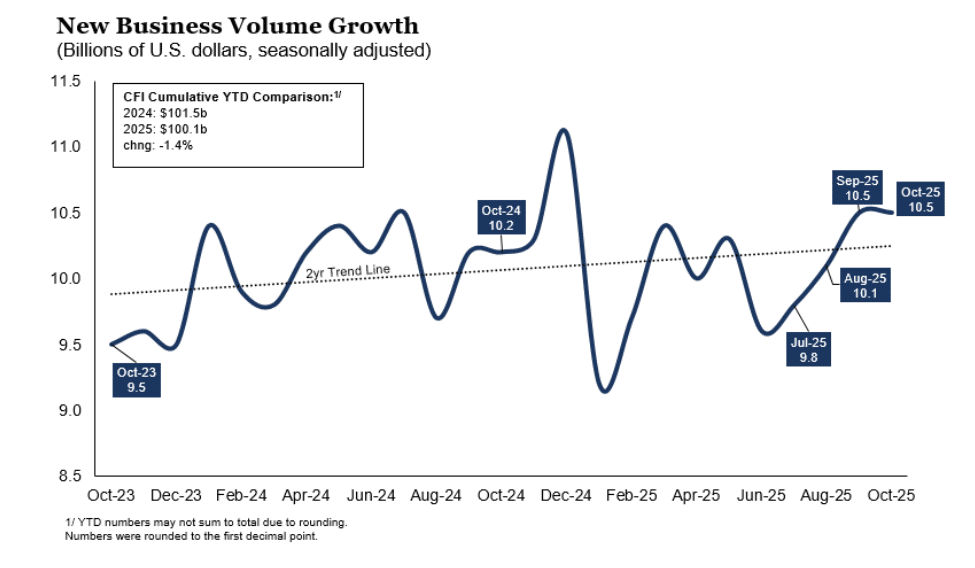
The Equipment Leasing and Finance Foundation projects equipment and software investment to increase 9.9% in 2025, up from its previous forecast of 6.6%, partly due to “more favorable tax treatment.”
Lenders lead the way
While many buyers may be aware of the tax benefits, equipment lenders are taking matters into their own hands to ensure that staff and customers are educated, James Schulte, head of equipment finance market coverage originations at Wells Fargo, told EFN.
“We are not tax advisers, but we are generating and providing a lot of summary content and really trying to capitalize on the change as a reason to have conversations with our customers and prospects,” he said. “We’re really using it as a chance to say, ‘Hey, this is what’s available to you.’”
As more prospective buyers emerge at yearend, lenders can gain a competitive edge by being “proactive rather reactive,” Schulte said.
This means working closely with customers to gauge how the tax breaks align with their long-term business plans as they evaluate equipment purchases, he said.
“That’s very important for us as equipment lenders — to be knowledgeable about the impact and how it might impact different companies in different situations,” he said. “We’re making them aware and having a conversation about how that’s affecting their strategy, and letting them lead us into their strategy, rather than the opposite.”
It’s also important for lenders to convey the tax advantages “in a way that people can understand it or makes it approachable,” David Normandin, president and chief executive of Wintrust Specialty Finance, told EFN.
“Whether it be at the executive level, down to the sales team, direct relationships with your customers and internally through finance, make sure that people are prepared and that there’s an emphasis,” he said. “People respect what you inspect.”
Check out our exclusive industry data here.



Proud Member Of

Check Out Our Industry Event