Toyota weighs hydrogen power for trucks that ship auto parts
Global committed investment in clean hydrogen exceeded $110B as of July 2025

Toyota Motor Corp. is considering using hydrogen to power trucks that ship auto parts as alternative fuels gain favor after the Iran war pushed up gasoline prices and strained supplies.
Toyota could eventually deploy hydrogen as an energy source in its factories, Vice Chairman Koji Sato said in an interview. Using the fuel across suppliers’ logistics networks is an option as well, he added.
Hydrogen was highly anticipated as a critical energy source for the global push to go carbon neutral. However, it has struggled to gain widespread adoption because it’s expensive and inefficient to produce, store and transport. Meantime, passenger cars powered by hydrogen fuel-cells are barely selling in Japan, forcing officials and executives to pivot to a more realistic approach by focusing instead on commercial vehicles.
Global committed investment in clean hydrogen exceeded $110 billion as of July 2025, up $35 billion from a year earlier, according to the Hydrogen Council and McKinsey & Co.
Sato’s plans are part of Toyota’s pledge as a member of the Japan Hydrogen Association, or JH2A, to use hydrogen for 1% of all logistics, fuel and raw material deliveries. As of last month, 67 companies and organizations are participating in the initiative, including banks, trading firms, insurers and local governments, reflecting a growing momentum for wider adoption.
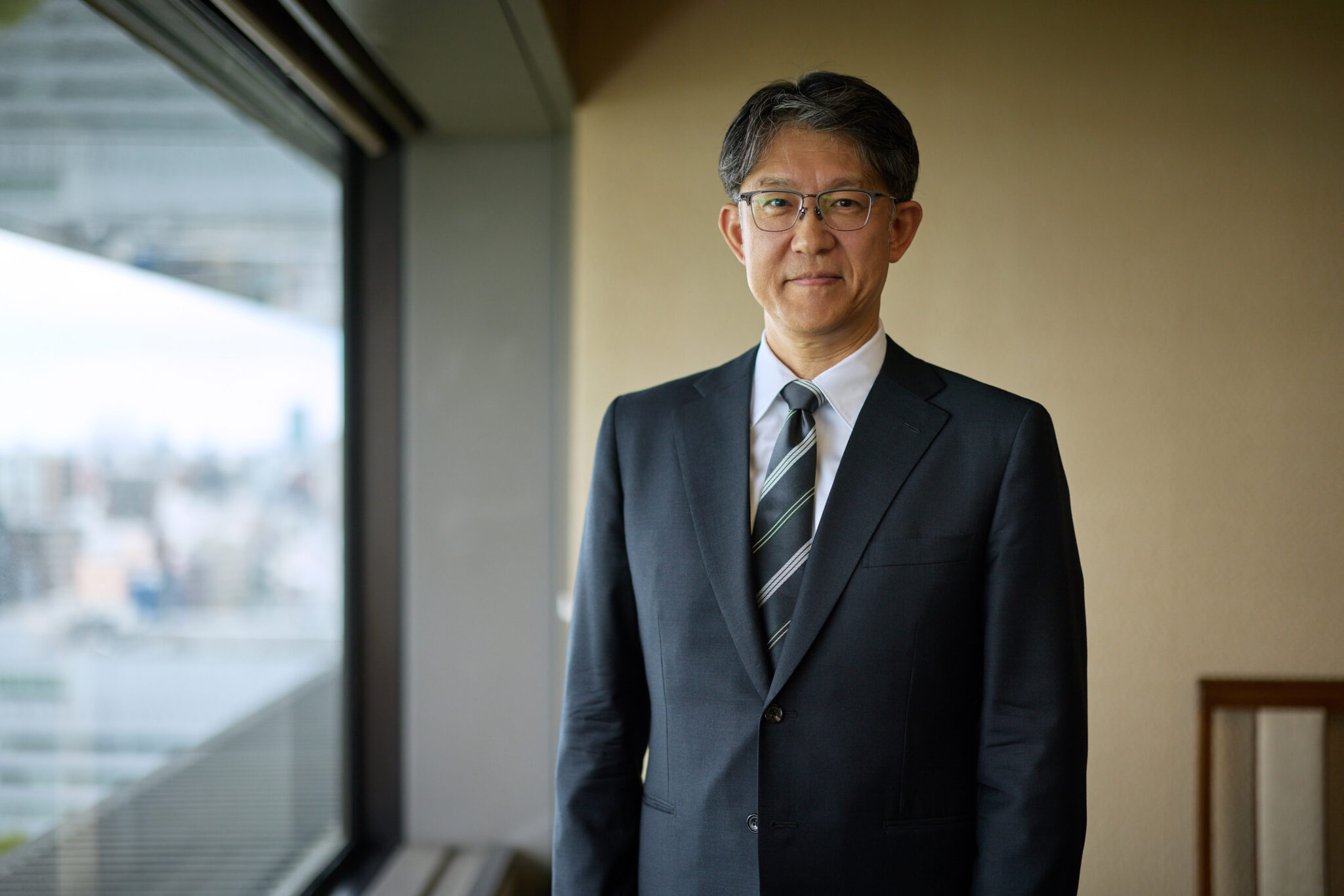
Toyota has long touted hydrogen as a key option alongside combustion engines, gas-electric hybrids and battery electric vehicles, as part of the automaker’s “multipathway approach” rather than shifting exclusively to battery-powered cars.
So far, they haven’t taken off.
Japan was the first country to adopt a national hydrogen strategy, setting ambitious targets that included putting 200,000 fuel-cell vehicles on the road by 2025 and 800,000 by 2030.
However, as of March 2025 less than 8,300 hydrogen fuel-cell cars were driving on Japanese roads, according to the Ministry of Economy, Trade and Industry.
Energy security has been a critical issue for Japan since the Middle East conflict started in February, sending supply shocks through the automobile industry. Traditionally promoted within the context of reducing emissions, hydrogen is now gaining attention from an energy security standpoint, Sato said.
A clear shift is underway from “going and getting energy to making it ourselves,” he said. In light of this trend, initiatives are being advanced to firmly position hydrogen within the national framework to enhance resilience, he added.
Work Together
Sato, who also chairs the Japan Automobile Manufacturers Association, said the nation’s carmakers must change their ways to stay relevant in an industry facing global upheaval from Chinese brands, shifting consumer demands and protectionist politics.
“We can’t do everything on our own anymore,” said Sato, who served as Toyota’s chief executive officer from 2023 until earlier this year, when he was replaced by Kenta Kon.
“We need to be intentional in finding ways to work together,” he said.
Since becoming chair of the lobby group, Sato has led JAMA’s efforts to expand the standardization of parts among car manufacturers to streamline production and reduce costs.
Japanese automakers procure about 70% of the parts they use from other manufacturers, and their often unique standards for quality control and safety can weigh on suppliers and lead to wasted time and more costs.
“This makes it difficult to shift away from a labor-intensive industry model,” Sato said.
By reducing varieties of parts, Sato said, suppliers can improve productivity through automation and “the whole industry can enjoy the fruits of our labor.”
Regional Focus
There’s a consensus among industry leaders that making and selling cars the old way might not work anymore, Sato said, adding that its crucial to create products tailored to the needs of each specific region.
“Rather than go it alone, there’s more need now than before to rethink areas of competition and co-operation,” said Bloomberg Intelligence senior auto analyst Tatsuo Yoshida.
Japanese carmakers have been rapidly losing ground in China — the world’s biggest car market — as they struggle to compete with a wave of sophisticated and affordable EVs. While the enduring popularity of gas-electric hybrids offers a respite for Toyota, others have been forced to scale back or band together.
Honda Motor Co. and Nissan Motor Co. earlier this week agreed to jointly develop key software for next-generation vehicles. Mitsubishi Motors Corp., which was already involved in a strategic partnership with the two carmakers, is looking to eventually join the software agreement, according to a spokesperson.



Proud Member Of

Check Out Our Industry Event