OEM aftermarket investments spark financing opportunities
Nearly 50% of OEM revenue could come from aftermarket products within 5 years

Equipment manufacturers are ramping up investment in aftermarket operations, igniting opportunities for both lenders and dealers.
OEMs expect aftermarket parts and service revenue to account for 30% to 49% of total revenue within five years, up from 10% to 29% today, according to a January report by aftermarket software solutions provider Syncron.
More than 80% of OEMs plan to increase aftermarket investment over the next five years, with roughly 20% of them anticipating “significant” investment.
OEMs’ heightened focus on aftermarket support, driven by evolving supply chains and new equipment technologies, opens major opportunities for equipment lenders as it plays a larger role in underwriting, Syncron Chief Executive Josh Weiss told Equipment Finance News.
“It’s all about the quality of the asset and the quality of the equipment that you’re financing. And for aftermarket, specifically, that turns into things like parts and parts availability.”
— Josh Weiss, CEO, Syncron
While OEM captives simplify financing for some industry giants, OEMs without financing arms should “look at multiple channels and work closely with those third parties to figure out the right way, systematically, to share that information and pass it along as best as possible,” Weiss said, “because ultimately, they need multiple different levers, I would imagine, to finance and underwrite so they can still get that business,” he said.
Tech-heavy machines
OEM aftermarket investment is crucial in 2026 with equipment becoming increasingly tech-heavy, Weiss said.
Highlighting this, an estimated 60% of mining equipment featured some form of autonomous technology at the end of 2025, according to research and consulting firm Market.us.
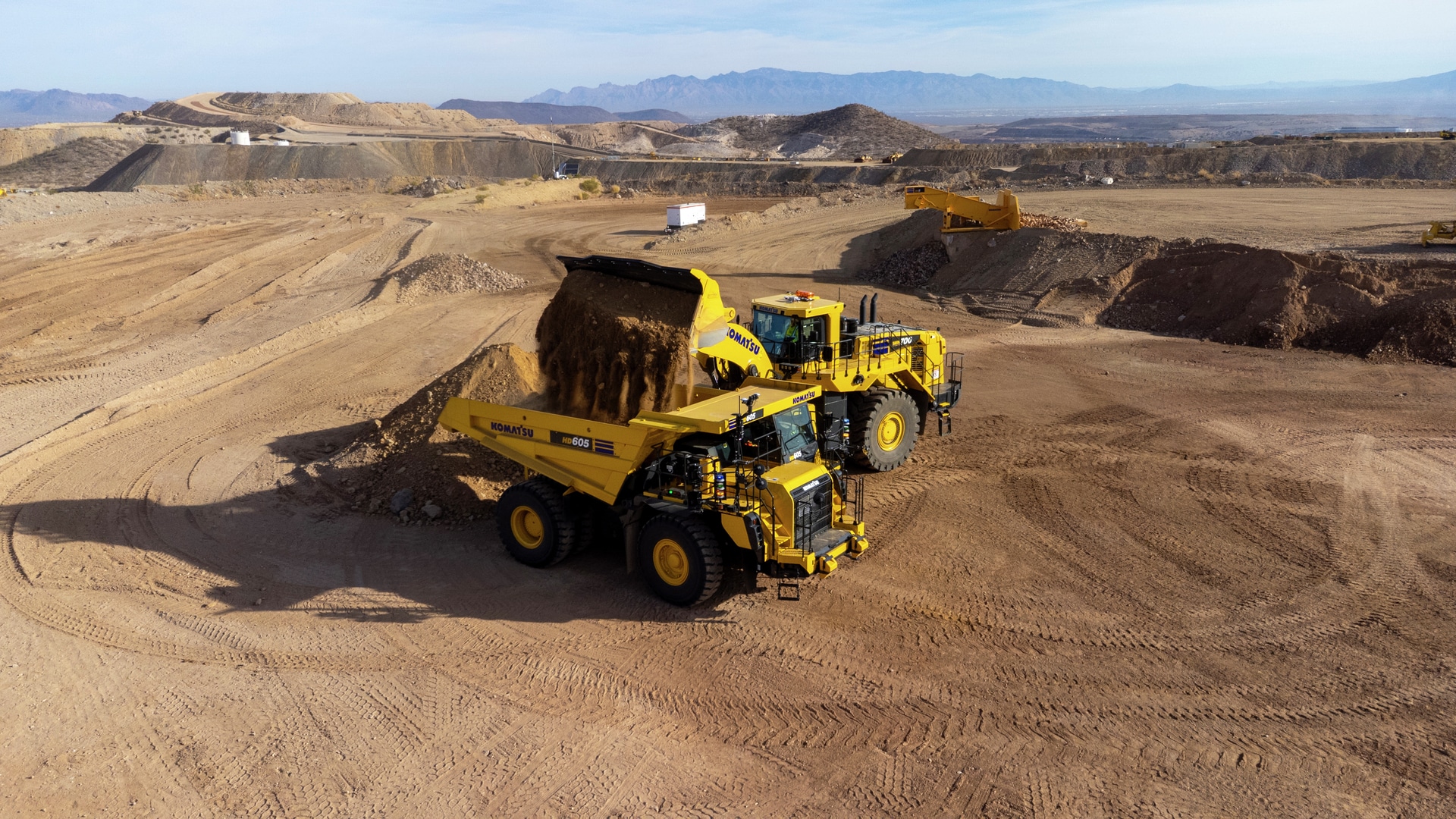
From autonomous machines to telematics systems, equipment lenders must provide ways to “finance ongoing service through the life of an asset,” David Normandin, president of Wintrust Specialty Finance, previously told EFN.
A robust aftermarket network could also help lenders address challenges tied to residual-value uncertainty as more machines collect and transmit data, Weiss said.
“Just having that intelligence and that data just makes the productivity measures of that residual value just so much more compelling and effective, which ultimately gets into their ability to finance and repay that loan,” he said.
Further, equipment lenders are improving predicting residuals for tech-driven equipment because there is “more risk-sharing with OEMs and dealers, where lenders align with manufacturers and resellers for after-sale support remarketing,” Crest Capital President Mark French told EFN.
Meanwhile, increased aftermarket investment also gives dealers more chances to provide “the right part and the right products at the right price,” Weiss said.
“They’re also looking at it as an opportune time to really ensure that uptime and reliability, which is typically a paramount value-driver for those customers,” he said.
Improved uptime is poised to benefit lenders because it minimizes unexpected revenue losses for operators, potentially resulting in few loan defaults and delinquencies, he said.
Check out our exclusive industry data here.




Proud Member Of

Check Out Our Industry Event