Telematics supercharging asset, risk management for lenders
Part 1 of 2: Heavy-equipment telematics market could triple over next 9 years

Telematics is enhancing equipment lenders’ ability to manage assets, mitigate risk and maximize resale values as the technology gives deeper insights into machine performance.
The global market for heavy-equipment telematics is projected to reach $9 billion by 2035, up from $3.1 billion in 2026, according to research firm Global Market Insights.
Telematics combines hardware, software, sensors, cellular networks and, in some cases, AI to transmit data from a machine to a central cloud dashboard. The process allows lenders to monitor utilization, location, maintenance and other metrics in real time.
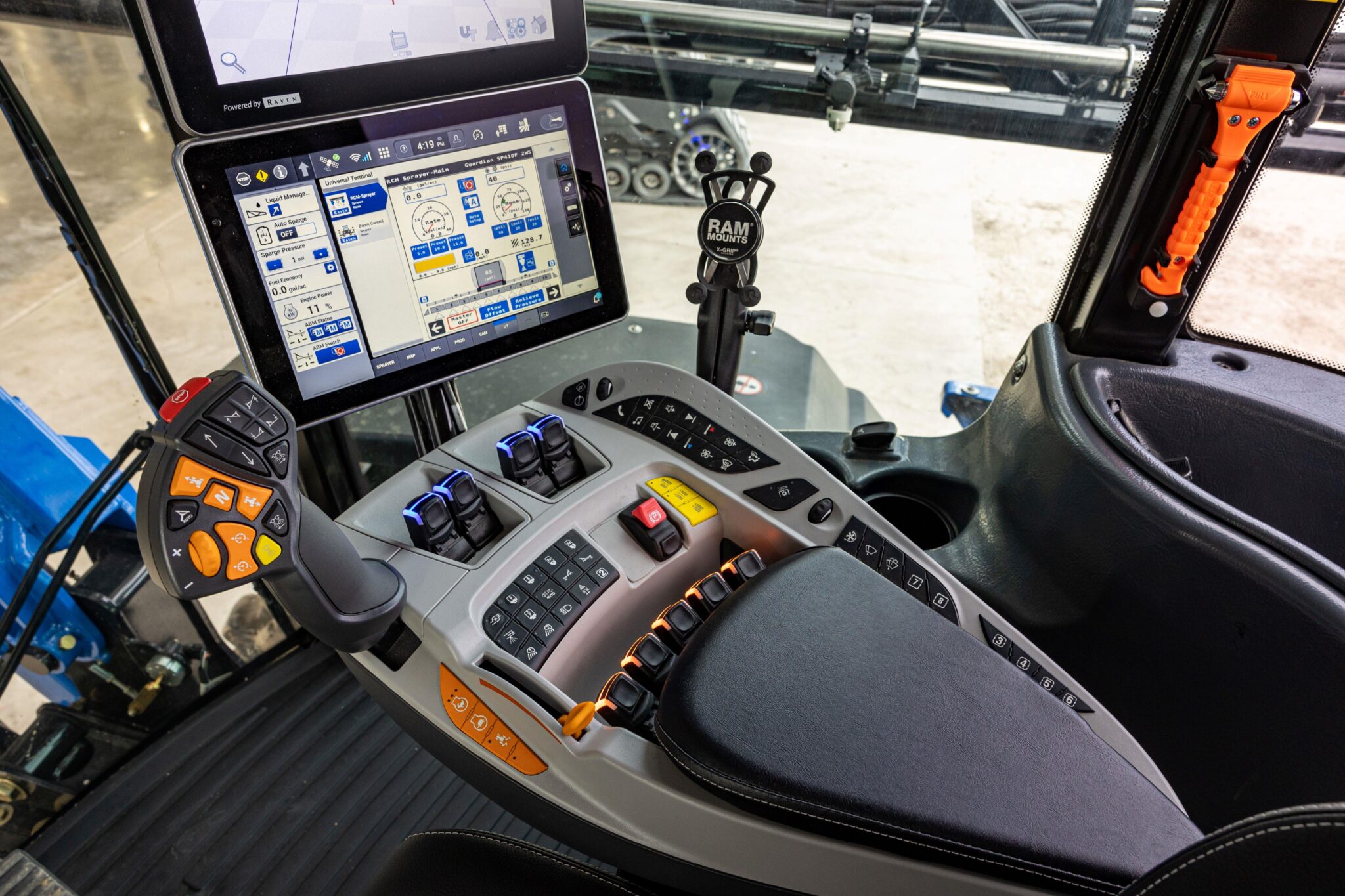
While telematics has been around for a while, advanced data-collection capabilities — partly driven by AI — have become “insanely valuable” for lenders, Wintrust Specialty Finance President and Chief Executive David Normandin told Equipment Finance News.
“It provides you the ability to predict upgrade cycles, to provide the customer information and data they may not have. … It’s incredible what’s possible there.”
— David Normandin, CEO, Wintrust Specialty Finance
A boon for resale, deal structure
Telematics helps lenders predict and maximize resale values as it “turns residuals from an opinion into a measurement,” with runtime hours, condition signals and maintenance history becoming “real depreciation inputs instead of thin resale comps,” Crest Capital President Mark French told EFN.
For the Atlanta-based lender, telematics delivers the most value in remarketing — “it isn’t close,” French said.
“Verified hours and maintenance history close the gap between what a seller is asking and what a buyer will actually pay,” he said.
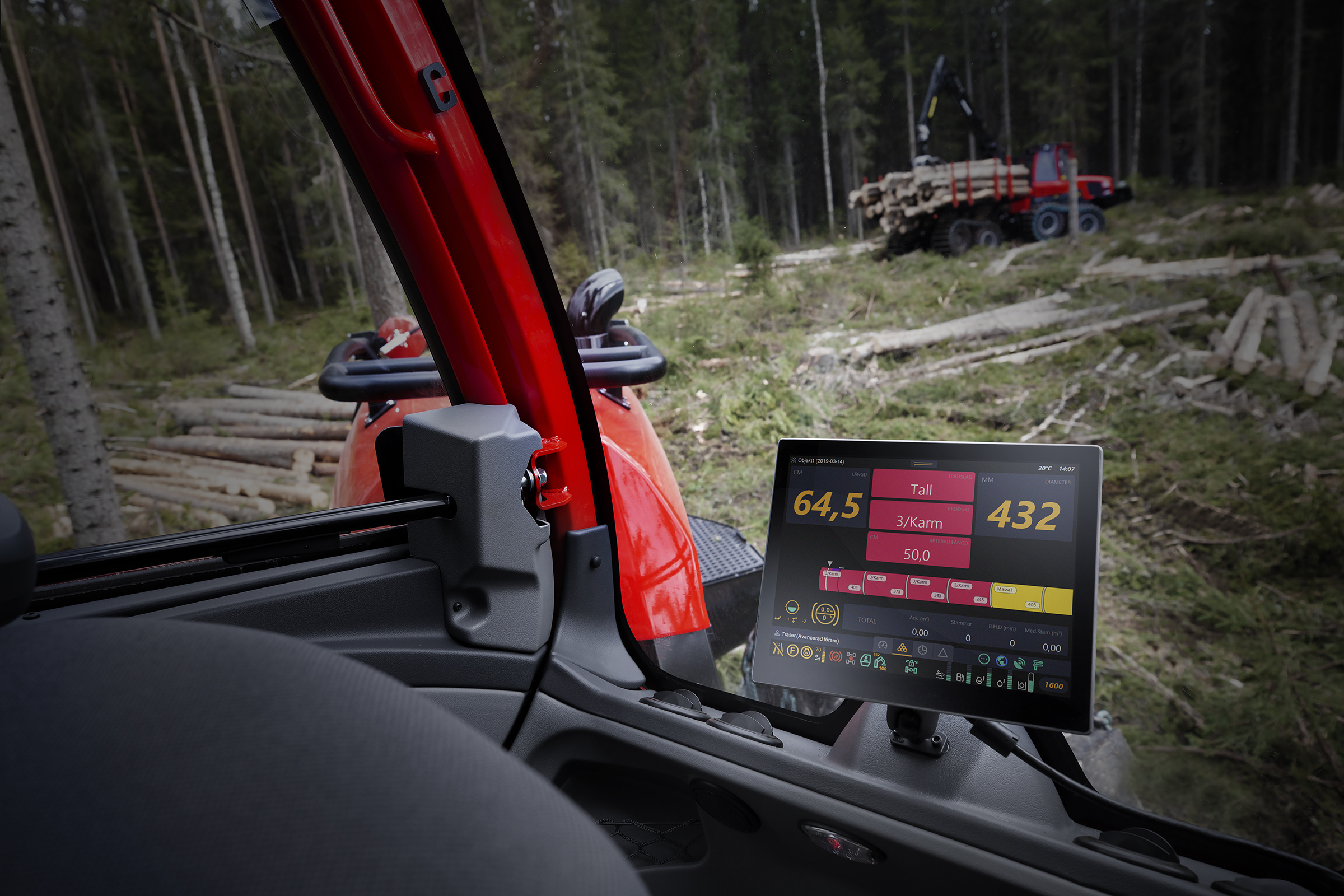
Simon Harrsen, executive vice president for North America at global equipment lessor CHG-Meridian, told EFN that telematics enables more accurate and higher residual values.
Additionally, the technology helps CHG meet growing demand for flexible financing structures such as usage-based models “because we understand the usage a lot better,” Harrsen said.
“I would expect that to further grow over the next couple of years and become increasingly more important for those AI-driven telematics devices,” he said.
Lenders also can avoid costly inspections, Crest Capital’s French said.
“Knowing where an asset is and how hard it’s working without sending somebody out to look at it is real money.”
— Mark French, president, Crest Capital
Mitigating risk
From theft prevention to higher residuals, telematics reduces risk for lenders from both a liability and profitability standpoint, Riley Thompson, VP and head of direct sales at Mitsubishi HC Capital America, told EFN.
Liability is especially important for operating leases because the lender is the registered owner of the asset, he said.
For example, when financing autonomous or robotic machines, which could malfunction or result in injury, “we need the telematics” to reduce liability, Thompson said.
“You need telematics to not only train [the machines] but to make sure that they’re actually doing what they’re supposed to be doing so that you can provide an audit trail to your customer and that all of the automation that they paid for, they actually got.”
Telematics also can prevent delinquencies as a stoppage or slowdown in usage might signal a potential default, French said.
“By the time a payment is 30 days late, the problem has been building for months, but hours dropping off on a machine that had been running full can show up long before that,” he said.
Check out our exclusive industry data here.



Proud Member Of

Check Out Our Industry Event